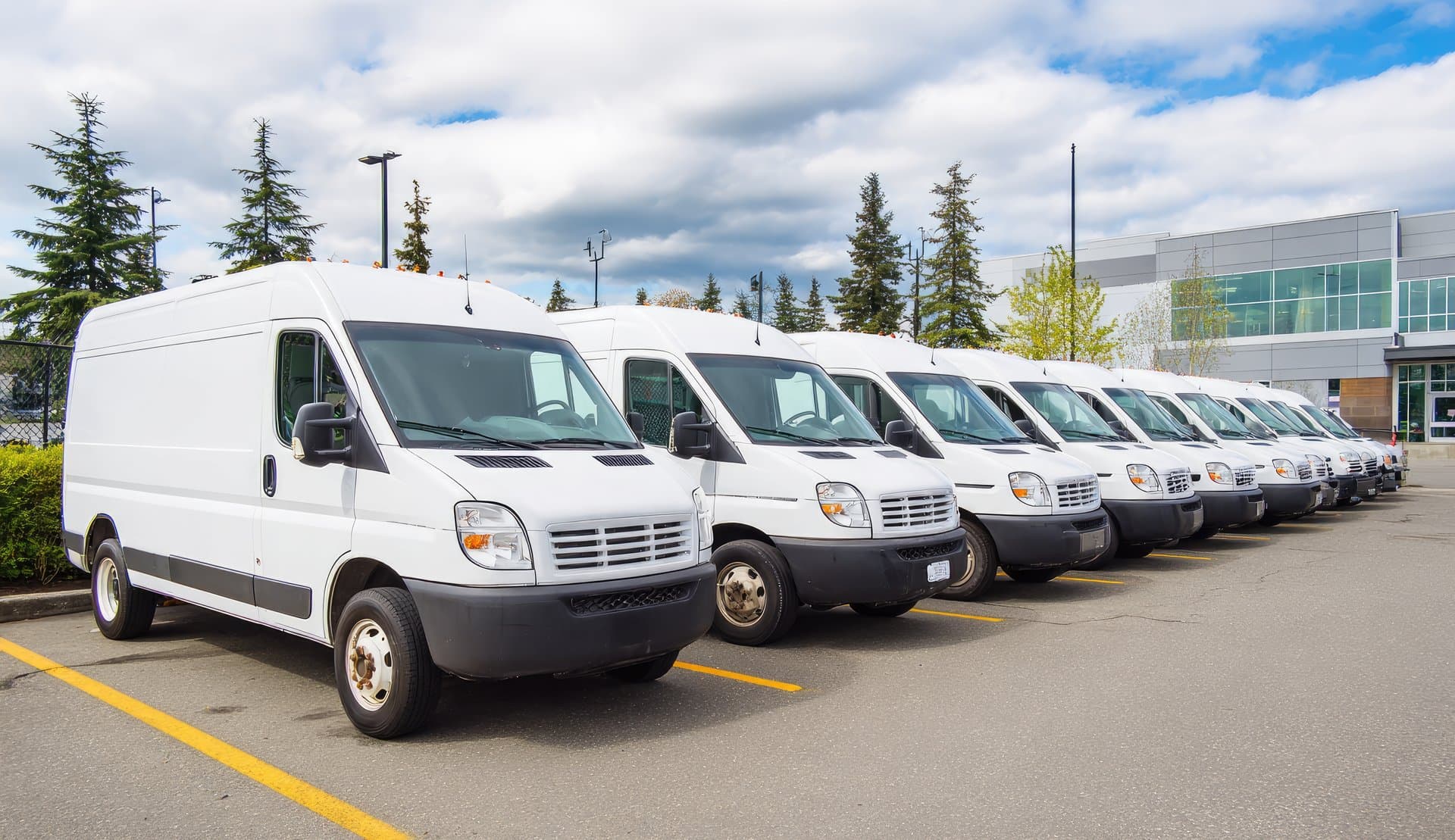
Ram announced this month it's returning the ProMaster City to the U.S. market, targeting the small commercial van segment that's been underserved since the model was discontinued. The move signals that manufacturers are paying attention to the sub-50-van operator market — a segment that's grown significantly as last-mile delivery volume has expanded.
The original ProMaster City was a compact cargo van with a lower load floor and tighter turning radius than the full-size ProMaster — useful for urban routes with tight parking and residential driveways. Operators running dense metro routes often preferred it for its maneuverability, even if it sacrificed some cargo volume.
Why this matters for fleet decisions in 2026:
New entrant = more competition = better pricing on the full-size ProMaster. When Ram has two products in a category, dealers move inventory harder. If you've been eyeing ProMaster acquisitions for your fleet, the next 6–12 months may see better incentive structures as Ram positions the compact and full-size against each other.
It also matters for route-vehicle matching. A 20-van fleet doesn't need 20 identical vehicles. Operators who can match vehicle size to route density — compact vans on tight urban routes, full-size on suburban — reduce fuel costs, cut accident exposure, and often improve stops-per-hour.
The ProMaster City return isn't a buying signal yet — pricing and availability details haven't been released. But it's worth watching. The last time this segment had a real competitor to the Transit Connect (before Ford killed it), operators had real negotiating leverage.
Source: WardsAuto, March 2026
Frequently Asked Questions
What is the Ram ProMaster City? The ProMaster City is a compact cargo van — smaller than the full-size ProMaster 2500 — that Ram discontinued and is now reintroducing. It targets lighter urban delivery routes where a full-size van is operationally oversized.
Should DSP operators consider the ProMaster City for their fleet? For routes with high stop density in tight urban environments, the ProMaster City offers better maneuverability and lower per-mile fuel cost. For suburban or rural routes with large package volumes, the full-size ProMaster 2500 remains more cost-effective per stop.
How does the ProMaster City compare to the full-size ProMaster for DSP routes? The City variant typically costs 15–20% less to acquire but carries roughly 30% less cargo volume. The economic case depends entirely on route type: dense urban multi-unit routes favor the City; suburban high-volume routes favor the 2500.