Your fleet is an investment. It's also a liability that gets more expensive as the miles stack up — and if your vans are aging together, the bills will arrive together too.
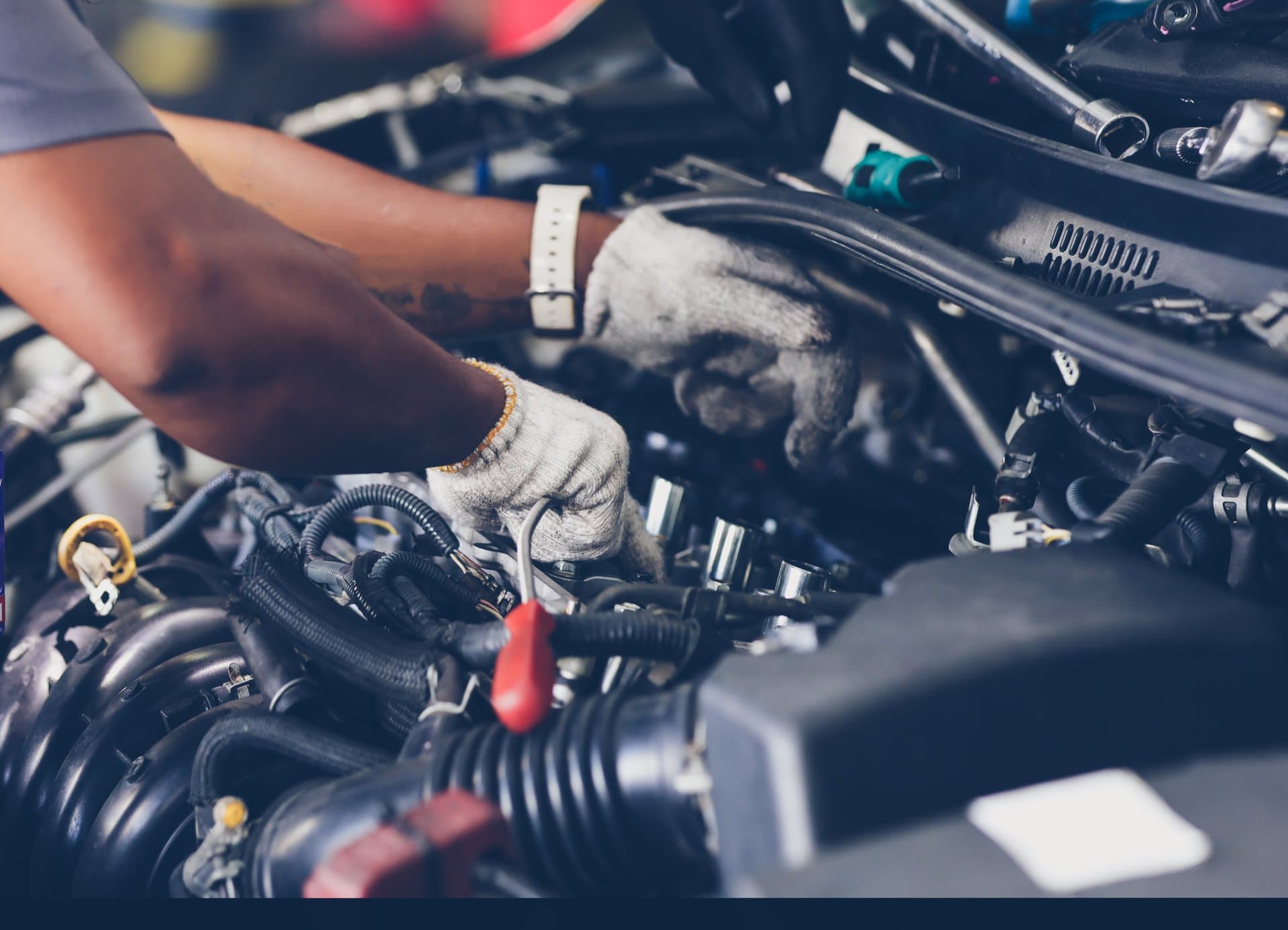
At around 60,000 miles, several critical components start showing wear, especially in diesel models like the Sprinter. Typical repair costs at this threshold include diesel injector replacement ($2,800/set), EGR valve service ($1,500 each), and DPF cleaning or replacement ($2,800–$3,200). These figures are based on common service estimates from commercial fleet repair shops; actual costs vary by market and condition.
They add up fast when multiple vans need them at the same time.
The real danger: synchronized aging. Consider a fleet of 25 Sprinters, 22 of which were purchased in the same year. When those 22 vans hit 60K miles within a six-month window, you're looking at potential diesel injector costs alone exceeding $60,000 — before touching EGR valves or DPF work. For a business operating on thin margins, that's not a bad quarter. It's a capital crisis.
The fix is simple but requires lead time: stagger your acquisitions. Spreading van purchases across 18–24 month windows ensures that only a few vehicles hit high-mileage thresholds simultaneously. It flattens maintenance costs, keeps cash flow more predictable, and keeps more of your fleet operational at any given time.
How to spot the cliff 12 months out:
- Pull mileage on every van in your fleet today
- Identify which ones will cross 60K in the next 12 months
- Review service history for early wear indicators on those vehicles
- Pre-schedule DPF cleaning and injector inspections before they become emergencies
The operators who get blindsided by maintenance cliffs are almost always the ones who bought their fleets in a single batch and didn't see the synchronized aging coming. The ones who catch it early have options. The ones who don't are negotiating repair financing under pressure.
Frequently Asked Questions
What is the fleet maintenance cliff? The maintenance cliff occurs when a significant portion of a fleet reaches high-mileage thresholds (typically 60,000–80,000 miles) simultaneously, triggering a surge in repair costs across multiple vehicles at once. For operators who acquired fleet vehicles in batches, this can create a $50,000–$150,000 capital event within a single quarter.
How do DSP operators avoid the maintenance cliff? The primary strategy is staggered acquisition — buying vehicles in smaller batches spread across multiple quarters so mileage milestones hit at different times. Operators who bought 20 vans in one batch in 2022 face a synchronized maintenance surge in 2025–2026.
How much does maintenance cost increase at high mileage? Average maintenance cost for a delivery van in years 1–2 runs $80–$100/month. By years 3–4 (typically 60,000–80,000 miles in DSP operations), that figure climbs to $220–$350/month per van — a 2–3x increase driven by simultaneous wear on tires, brakes, suspension, and drivetrain components.