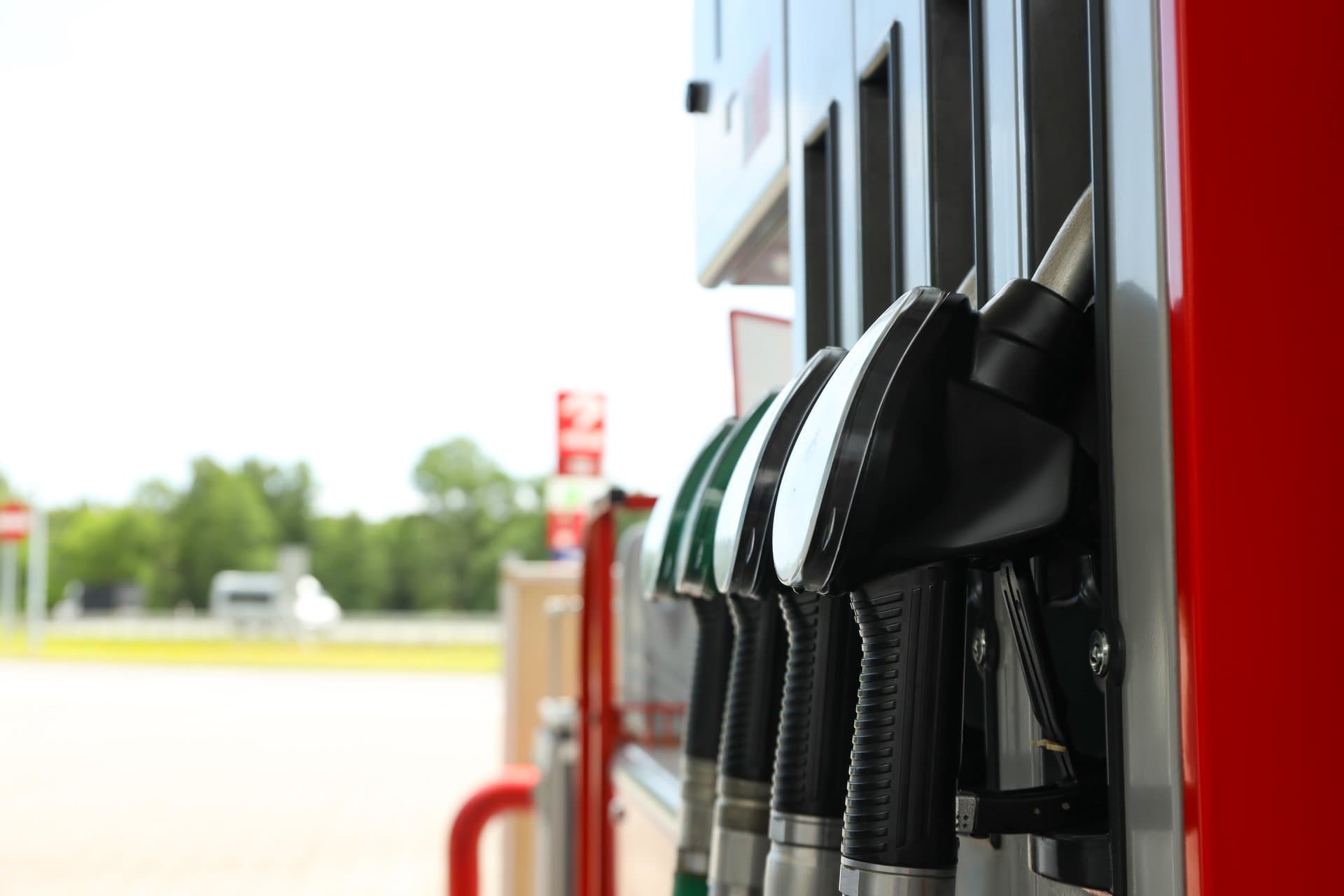
Retail gasoline just climbed 22 cents a gallon in two weeks. For a fleet running Ram ProMasters and Ford Transits, that's not a rounding error — it's payroll-sized money leaking out of the route sheet.
EIA weekly data puts the national retail gasoline average at $4.131/gallon as of July 20, up from $3.911 on July 6 — a 5.6% jump in fourteen days, and a reversal after gas had eased down through late June. Most DSP fleets run gas, not diesel: the ProMaster 2500 gets roughly 18 mpg, the Transit 350 around 19 mpg, so a blended 18.5 mpg average is a fair fleet-wide estimate.
Run the math on a typical 120-mile daily route: that's about 6.5 gallons burned per van, per day. At the new 22-cent premium, that's $1.43 in added fuel cost per van, per day — from this price move alone. Scale that across a 20-van fleet and you're looking at roughly $28.60 a day, or about $7,400 a year, if the price holds where it sits.
The volatility is the real problem. Gas dropped from $4.187 in mid-June to $3.911 by early July, then reversed hard. That kind of swing makes fixed-rate contracts with Amazon or any shipper increasingly risky to sign without a fuel escalation clause — a flat per-stop rate locked in during a low-price week can turn unprofitable by the time the contract renews.
Operators who built their Q3 budgets off the early-July number are already behind. The fix isn't complicated — it's rebuilding the fuel line item on a rolling weekly basis instead of a quarterly guess.
See how this affects your cost per stop — free calculator at pexara.ai/calculator